Navigating New Council Regulations in New Zealand
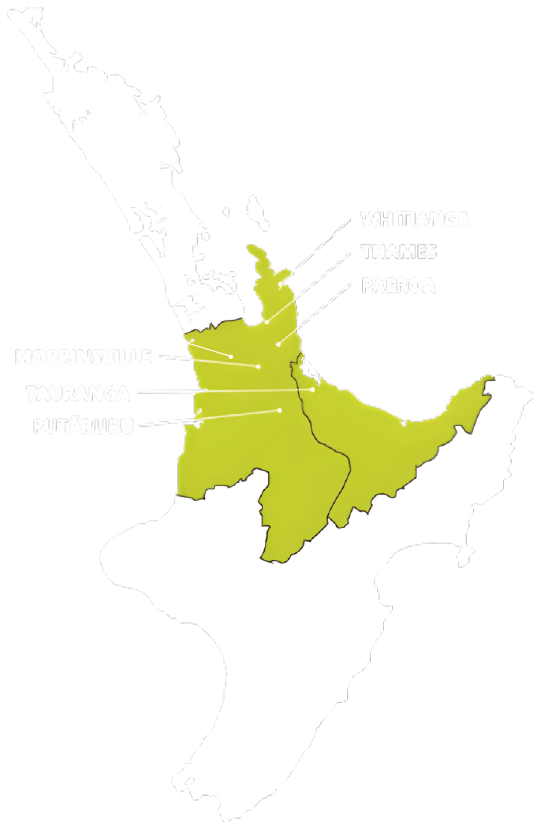
As New Zealand responds to growing housing demand and shifting land use priorities, many local councils have introduced updates to their subdivision rules in 2025. These changes reflect national policy adjustments and local efforts to improve housing density and sustainable land development. As experts in subdivision and land surveying, Surveying Services breaks down what you need to know about the latest rules and how they could impact your property plans across the Waikato, Bay of Plenty (BOP), Coromandel/Thames/Hauraki, and Matamata-Piako regions.

What’s Changing in 2025? Key Updates by Region
1. New Land Development and Subdivision Code of Practice
As of April 2025, a standardised Land Development and Subdivision Code of Practice has been adopted across many councils, including those in the Waikato, Bay of Plenty and surrounding districts. This code sets consistent infrastructure requirements for stormwater management, road access, utilities, and sustainable development. Compliance is now a prerequisite for subdivision consent.
Learn more: LGNZ Code of Practice Overview
2. Evolving Rural Subdivision Guidelines
Environment Court decisions and council-level interpretations are influencing how rural subdivision eligibility is assessed throughout the Waikato, BOP, and surrounding areas. In districts such as Matamata-Piako and Hauraki, there is growing potential for rural landowners to unlock subdivision opportunities through ecological protection or land amalgamation strategies. These updates are shaping a more flexible approach to subdivision in larger rural blocks.
3. National Push to Unlock More Housing Land
Recent updates to the Resource Management Act and the National Policy Statement on Urban Development (NPS-UD) are driving councils across the country—including Waikato, Western Bay of Plenty, and Thames-Coromandel—to identify and release more land for residential development. This often includes more flexible zoning rules and streamlined consenting in growth-focused centres like Hamilton, Tauranga and Whakatāne.
Government source: Ministry for the Environment

What These Changes Mean for You
Whether you're a private landowner, developer, or investor, these changes present fresh opportunities:
Increased development flexibility: You may now be eligible to subdivide land previously considered non-compliant.
Faster planning pathways: Standardisation and streamlined applications aim to reduce consent wait times.
Greater urban potential: Infill and intensification support urban landowners looking to maximise site value.
However, these benefits come with increased complexity. Understanding the new rules—and how they interact with your specific zoning and location—is critical.

Surveying Services - Your Local Experts in Subdivision Compliance
At Surveying Services, we stay at the forefront of policy changes to provide strategic, compliant advice across the Waikato, Bay of Plenty, Coromandel/Thames/Hauraki and Matamata-Piako regions. We work closely with councils and stakeholders to help you:
Navigate district plan changes
Assess site feasibility under updated rules
Prepare accurate subdivision plans
Lodge compliant resource consent applications
Our Subdivision Planning Services page explains how we simplify the process from concept to consent.
Next Steps for Property Owners in 2025
Understand your property zoning: Check your local council’s plan map or call their planning department.
Get expert advice: Book a consultation with a licensed surveyor to understand your options.
Explore subdivision feasibility: Based on updated rules, determine what’s now possible.
Plan with confidence: Our team can manage the entire subdivision process, from site investigations to final title.

Good Advice - Act Early, Plan Smart
With so many changes in play, it's essential to get ahead of the curve. Whether you're in a suburban growth zone or managing a rural block, professional guidance will save time, reduce risk and maximise value. Contact the Surveying Services team today to discuss how 2025 rule changes could open new doors for your land.